Install Sliding Doors for Contemporary Design
Sliding Glass Doors: Benefits, Drawbacks, and Everything in Between
Sliding glass doors are a popular choice for modern homes, delivering a balance of style and convenience. They maximize natural illumination and establish a fluid transition between interior and exterior spaces. Yet, notable challenges remain, particularly regarding security and maintenance requirements. The level of thermal efficiency fluctuates according to multiple considerations. As residents balance the positives with the negatives, gaining a thorough understanding of all aspects becomes vital. What specific considerations should one keep in mind?
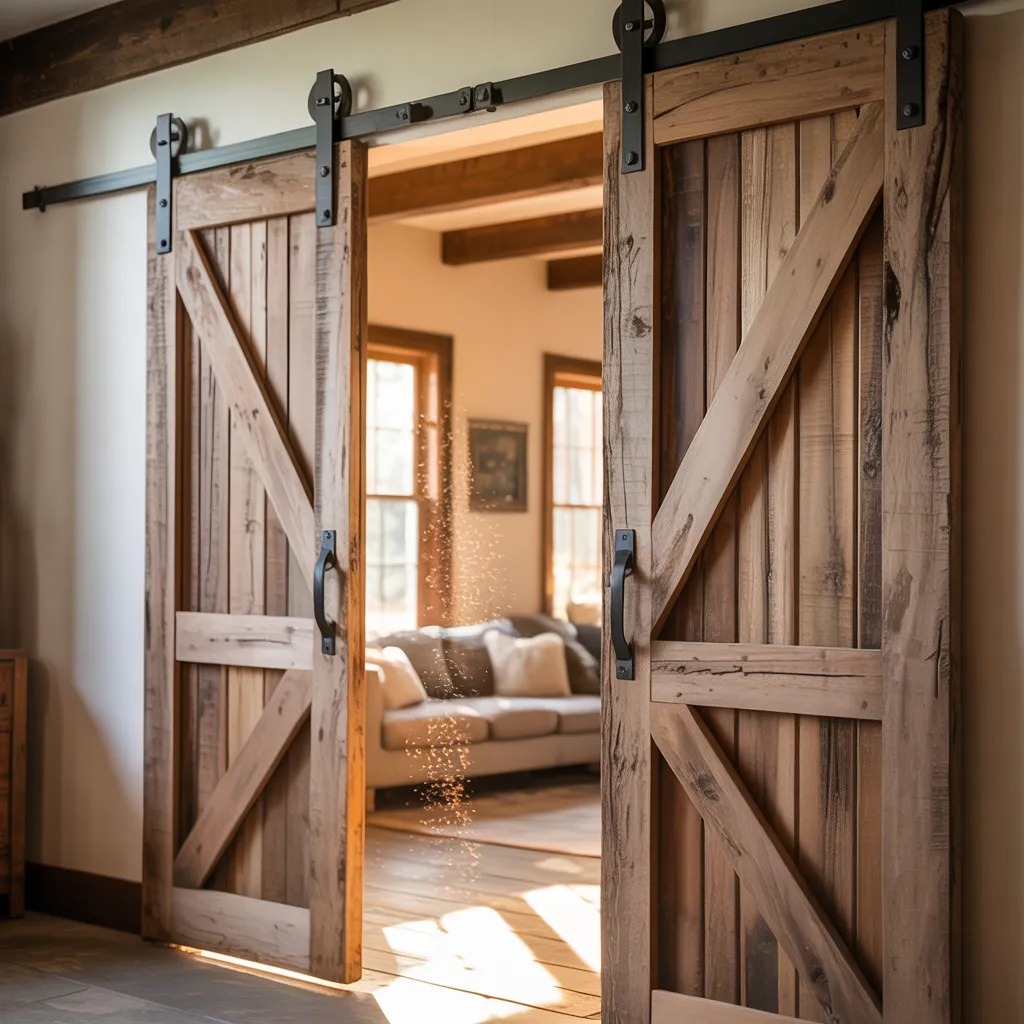
The Benefits of Sliding Glass Doors
Sliding glass doors provide numerous advantages that improve both function and appearance in a home. These doors enable smooth transitions between interior and exterior spaces, fostering a more expansive and welcoming setting. Their wide glass surfaces flood rooms with natural light, decreasing dependence on artificial lighting during daylight hours and establishing a warm, welcoming ambiance.
Beyond their visual appeal, sliding glass doors are ideal for maximizing space. Compared to standard doors, they do not require extra room to operate, making them perfect for smaller rooms or areas with minimal space available. Many designs come equipped with thermally efficient glass, helping to maintain comfortable indoor temperatures and decrease utility expenses.
Moreover, sliding glass doors have the potential to raise property appeal, as they are frequently sought after for their stylish aesthetic and practicality. On the whole, these doors blend aesthetics with functionality, making them a favored selection for contemporary homes.
Common Concerns With Sliding Glass Doors
Although sliding glass doors provide visual attractiveness, several key concerns warrant consideration. Security risks have the potential to jeopardize household safety, while energy inefficiency problems might contribute to elevated utility bills. Moreover, upkeep demands may present difficulties for homeowners pursuing lasting performance.
Security Vulnerabilities
A large number of homeowners fail to recognize the possible security weaknesses linked to sliding glass doors. Such doors commonly have a single lock mechanism, which is simple to bypass. Intruders may exploit the openings along the door frame or employ devices to defeat the lock completely. Furthermore, the glass panels themselves can be a weak point; they are susceptible to shattering, creating an effortless point of access.
Homeowners may also neglect to install adequate security measures such as window sensors or reinforcement bars. Furthermore, the transparency that sliding glass doors offer can inadvertently invite criminal activity, since would-be burglars can readily view the interior layout. Consequently, though they are visually attractive, sliding glass doors require careful consideration regarding security enhancements to guarantee the safety of the home.
Energy Efficiency Problems
When evaluating sliding glass doors, energy efficiency becomes a primary concern for homeowners. These doors typically include large glass panels that often cause substantial heat loss during colder months and heat gain in hotter periods. Inadequate insulation can worsen these problems, causing increased energy bills and an uncomfortable living environment. Homeowners might also face challenges with air leaks, which can further compromise a home's thermal performance. Moreover, the choice of glass type and frame material is essential; insulated frames and low-E glass can improve energy performance. To resolve these challenges, it is crucial for homeowners to purchase high-quality sliding glass doors that satisfy energy performance criteria, guaranteeing improved insulation and lower energy usage in the long run.
Upkeep Considerations
Sliding glass doors require routine upkeep to guarantee peak functionality and longevity. Homeowners should routinely inspect the tracks for dirt and debris, as debris can interfere with seamless movement. Clearing the tracks with a vacuum and light detergent works to avoid debris formation, keeping the door sliding with ease. Lubrication of the rollers is essential; silicone-based lubricant works to decrease friction and damage. Additionally, checking seals and weather stripping for wear is vital, as damaged seals may result in energy loss and possible moisture infiltration. Regularly tightening screws and copyrights also enhances stability and security. By implementing these care routines, property owners can maximize the longevity of their sliding glass doors while avoiding unnecessary repair costs.
Exploring the Energy Efficiency of Sliding Glass Doors
How do sliding glass doors measure up regarding energy efficiency? Performance can vary greatly based on the materials, construction, and installation used. Today's sliding glass doors commonly include double or triple glazing, which can boost insulation and limit heat transfer. Low-emissivity (Low-E) glass coatings further improve energy efficiency by reflecting heat, helping maintain indoor temperatures.
Even so, the energy-saving potential of these doors can be undermined by inadequate sealing and improper installation. Gaps or misalignments may lead to drafts, elevating energy bills. Additionally, the choice of frame material plays an important role, as vinyl and fiberglass frames typically offer superior thermal performance compared to aluminum.
Property owners should also evaluate the positioning of the doors, as prolonged exposure to direct sunlight can lead to greater cooling needs. Overall, while sliding glass doors can be energy efficient, proper selection and installation are essential for optimal performance.
How to Improve Security With Sliding Glass Doors
Boosting protection with sliding glass doors calls for a strategic approach to design as well as installation. Initially, choosing laminated or tempered glass significantly improves resistance to breakage. Furthermore, incorporating multiple-point locking systems delivers increased security by connecting multiple locking points along the frame of the door.
Reinforcing the frame with composite or metal components can discourage break-in attempts, while adding protective bars or grilles offers an additional layer of security without compromising aesthetics.
Correct installation is crucial; ensuring the door fits snugly within the frame limits potential security gaps. Think about adding a security film to the glass, which holds shards together in the event of a break.
Finally, exterior lighting and monitoring cameras can further improve security by deterring potential intruders. By putting these precautions in place, property owners can significantly enhance the safety of their sliding glass doors while maintaining their functional and aesthetic appeal.
Helpful Maintenance Tips for Your Sliding Glass Doors
Maintaining sliding glass doors is vital for guaranteeing their durability and performance. Regular cleaning of both the glass and tracks helps prevent dirt deposits, which can disrupt proper performance. A combination of warm water and soap is effective for the glass panels, while a handheld vacuum or moist cloth can efficiently remove debris from the tracks.
Applying lubrication to the track system represents another key maintenance requirement; a silicone-based spray is ideal for improving smooth movement and protecting against rust. Regularly examining the seals and weather stripping is essential for identifying signs of wear or damage, since such problems may contribute to significant energy loss.
Furthermore , property owners should check the roller components for any evidence of deterioration and replace them if necessary . Promptly addressing any minor issues can avoid expensive repairs in the future . Overall , a regular maintenance routine will maintain sliding glass doors running effectively for many years ahead .
Design Options: Finding the Right Style
When picking out sliding glass door options, various design options heavily affect both visual appeal and practical function. Selections involving material quality and longevity, frame designs and color options, as well as grid configurations, play an essential role in achieving the desired look and performance. Being aware of these considerations enables homeowners to make thoughtful selections that elevate their home environment.
Material Choices And Durability
Selecting the right material for sliding doors greatly impacts both design and durability. Popular materials consist of vinyl, aluminum, and wood, each offering distinct advantages. Vinyl is celebrated for its low maintenance and energy efficiency, rendering it a top selection for many homeowners. Aluminum offers a polished, modern aesthetic and superior strength but might need additional maintenance to avoid rust and deterioration. Wood, despite its attractive appearance and offering excellent insulation, demands regular maintenance to guarantee longevity. Additionally, composite solutions merge the advantages of vinyl and wood, providing superior longevity without compromising appearance. In the end, selecting the appropriate material not only influences the durability of the door but also complements the overall design of the home, assuring both functionality and aesthetic appeal.
Frame Designs And Colors
Frame styles and colors are a key factor in the visual appeal of sliding glass doors, significantly impacting a home's overall look. Various frame styles, such as contemporary, traditional, or minimalist, can enhance various architectural styles. Homeowners often choose between materials like vinyl, wood, or aluminum, with each providing unique aesthetic qualities and longevity. Color selections extend from traditional whites and blacks to striking tones, allowing for personalization that enhances curb appeal. Tailored finishes may complement or stand out against current décor, achieving a well-coordinated appearance. The perfect pairing of frame style and color not only improves the door's visual impact but also mirrors the homeowner's preferences, making it a crucial consideration in the selection process.
Patterns And Grid Designs
Grid designs and patterns improve the aesthetic appeal of sliding glass doors, presenting the ability to customize the look and feel of a living area. Various grid configurations, such as classic grid styles, contemporary minimalist patterns, or personalized designs, can turn an ordinary door into a striking centerpiece. These configurations not only enhance visual charm but also introduce an element of organization, drawing focus and elevating the complete design of an interior. Homeowners can choose between different materials and finishes to better match the grid design to their home décor. In the end, choosing the ideal grid design allows for personalization while maintaining functionality, rendering it a key factor in the planning of sliding glass door installations.
Sliding Glass Doors: How Much Do They Cost?
What elements affect the price of sliding glass doors? Multiple factors play a key role in establishing the cost. Initially, the type of material selected heavily influences the cost; choices include vinyl and aluminum as well as wood and fiberglass, each differing in durability and visual appeal. detailed information Additionally, the dimensions of the door represent a significant consideration; more expansive doors typically result in elevated prices. Additionally, the type of glass, whether standard or tempered, will impact costs due to differences in safety and insulation properties.
Installation complexity also contributes to overall expenses. Simple installations may incur lower costs, while tailored designs or modifications to the structure can increase the overall cost. Furthermore, brand recognition and warranty coverage can impact pricing, with top-tier brands typically demanding a greater investment. Finally, labor costs across different regions fluctuate, influencing the overall expenditure. Being aware of these elements enables homeowners to make well-informed choices when planning their sliding glass door budget.

Answers to Common Questions
Can Sliding Glass Doors Be Installed in Any Type of Home?
Sliding glass doors can be installed in various home types, encompassing modern, traditional, and contemporary aesthetics. Nevertheless, certain structural factors and space requirements need to be evaluated to ensure an appropriate fit and optimal functionality within each unique setting.
How Effectively Do Sliding Glass Doors Withstand Extreme Weather Conditions?
Sliding glass door systems may have difficulty in extreme weather conditions, especially strong winds and heavy rainfall. However, with the right materials and professional installation, select models can successfully resist harsh weather conditions, delivering enhanced durability and insulation for homes that experience such conditions.
Do Sliding Glass Doors Have Child Safety Features?
Yes, most sliding glass doors feature protective measures for children such as protective screens, locks, and safety sensors. These measures aim to minimize accidental openings while improving overall security, creating a safer environment for young ones.
What Are the Most Common Materials Used for Sliding Glass Doors?
Typical materials utilized for sliding glass doors consist of aluminum, vinyl, wood, and fiberglass. Each material offers distinct benefits, such as durability, energy efficiency, and aesthetic appeal, giving homeowners the ability to decide based on their particular needs and preferences.
Do Sliding Glass Doors Boost Home Resale Value?
Sliding glass doors are capable of increasing a property's resale value by elevating the overall aesthetics and functionality, generating a sense of openness, and linking interior and exterior living spaces. Their ability to attract potential buyers commonly translates into a beneficial influence on overall property worth.